
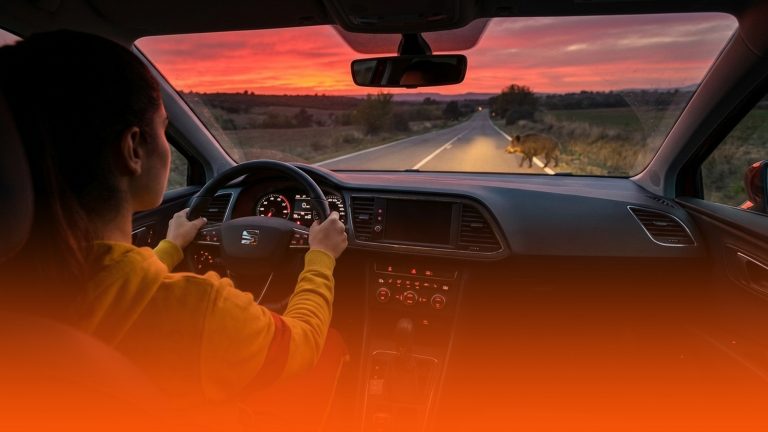
Animals on the Road: A Risk Many Drivers Underestimate
Encounters with animals on the road are more common than many drivers realise.
In Spain, collisions involving wild or domestic animals occur most frequently on rural roads, at night, and during periods of reduced traffic.
These incidents can result in serious vehicle damage, personal injury, and unexpected costs — particularly when drivers are unprepared or fail to heed warning signs.
Why the Risk Increases at Night
Animals are most active during dawn and dusk, when light levels are low and
visibility is reduced. Quieter roads can encourage wildlife to cross more freely, while headlights may temporarily disorient animals, causing them to stop or move unpredictably.
Drivers travelling at night should reduce speed on rural roads and remain alert for movement at the roadside, especially near wooded areas or open fields.
Seasonal and Environmental Factors
Winter and early spring often see increased animal movement. Scarcer food sources, mating seasons, and changes in daylight hours can all influence behaviour.
Heavy rain or cold conditions may also drive animals toward roads that retain warmth.
Domestic animals can present just as much danger. In agricultural areas, livestock may escape through damaged fencing or be moved between fields, sometimes without warning.
Warning Signs Are There for a Reason
Animal warning signs indicate areas where collisions are more likely. Ignoring them
is a common mistake. These signs are placed based on known incident data and
local conditions, not at random.
When approaching a section of road marked with an animal warning sign, drivers
should reduce speed and be prepared to stop suddenly if necessary.
What to Do if an Animal Appears
If an animal enters the roadway:
- Brake firmly but progressively.
- Avoid swerving suddenly, which can lead to loss of control or a collision withoncoming traffic.
- Use the horn briefly if safe to do so.
- Be aware that animals often travel in groups — if one crosses, others may follow.
Maintaining control of the vehicle is always the priority.
After a Collision or Near Miss
If a collision occurs, stop safely if possible and activate warning signals. Do not attempt to approach injured animals, as they may behave unpredictably. Contact the emergency services if required and report the incident to the relevant authorities.
Even a near miss should be treated as a warning. Adjust speed and awareness for the remainder of the journey.
A Risk That Deserves Attention
Animals on the road are an unavoidable reality in many parts of Spain. By respecting warning signs, adapting speed, and staying alert — particularly at night — drivers can significantly reduce the risk of a dangerous encounter.
Awareness and anticipation remain the most effective tools for staying safe.
When you rent a car with us, you don’t need to worry about damage caused by unexpected situations like animals on the road. Our rentals include comprehensive coverage and roadside assistance in the price, so help is always just a phone call away.
Drive Through Spain With Peace of Mind
Animals on the road are a reality in many parts of Spain, but they don’t have to ruin your trip. Staying alert, respecting warning signs, and adjusting speed greatly reduces risk.
And by choosing a rental car with damage protection and roadside assistance included, you can focus on enjoying your journey, not worrying about “what if”.
Safe driving starts with awareness, and peace of mind starts with the right car rental.
Book yours with TopGear Mobility
You can read more interesting articles and news about spanish traffic laws here: